Nov 9, 2026
Articles
Articles / Nov 9, 2026
Are oil bosses right to push back on the energy transition?
Africa – like the the rest of the world – needs more energy of every kind. Judge each project on value and return, and let renewables win where they are cheaper.
Guy Hacking
MISA Group CEO · 5 minutes
Africa needs more energy of every kind, and running down oil and gas before the alternatives exist would cut access and raise costs. Investors should judge each project on value to the customer and return to the financier. Where renewables pass both tests, as they increasingly do, they should come first.
Why are oil bosses pushing back on the energy transition?
Before this year’s ADIPEC, Sultan al-Jaber, chief executive of ADNOC and president of COP28, hosted oil and gas leaders at a closed-door meeting. As the FT’s Energy Source newsletter (which I recommend subscribing to) reported, several executives used it to push back on the idea of switching from fossil fuels to clean energy. Their argument: the world needs more energy of every kind, and the old system should not be run down before the new one is built (Financial Times). One participant, quoted by the FT, made a point every investor in Africa will recognise: “We cannot invest without any kind of security.”
In his opening address, al-Jaber said nearly one billion barrels of crude had been drawn from global inventories since the disruption in the Strait of Hormuz, and that logistics had risen from under 5% of the cost of a barrel to more than 30% (World Oil).
On one point they are right. A plan that runs down oil and gas before the replacement is built is not realistic, and Africa pays for it first: energy systems have been made fragile, and the cost falls hardest on markets that import their fuel. Where they are wrong is in treating the transition itself as the problem. Both sides argue about the colour of the energy. An investor should start with a different question.
Why does energy access come first in African energy investment?
Because so many people still have none. The IEA counts 730 million people worldwide without electricity in 2024; eight in 10 of them live in sub-Saharan Africa. New connections there rose to 6.8 million in 2024, but population growth absorbed most of that progress.
For a household or a factory without reliable power, the colour of the electron is not the first question. Price, reliability and availability are. Energy access comes before everything else, and it should not be framed as either/or. Most of the customers I meet need fuel today and cheaper, cleaner power as soon as someone builds it.
How should investment in Africa judge a project?
My test has two parts. Does the project deliver value to the end customer? Does it generate returns that meet the thresholds of the people financing it? If value cannot be created while those thresholds are met, the project should not go ahead, whether it is green or black.
Gulf capital is already making these calls at scale. UN Trade and Development’s World Investment Report 2026 notes a growing role for Gulf investors in Africa’s announced greenfield projects, often through sovereign wealth funds and state-linked entities. Its UAE examples include the USD 34 billion Infinity Power renewable energy project in Mauritania and a USD 6 billion hydrogen project in Tunisia. Many Gulf investors know both hydrocarbons and renewables from their home markets. That is an advantage in Africa, provided each project faces the same discipline.
The executive at ADIPEC was right that capital needs security. In Africa that security comes from contracts, currency, creditworthy offtakers and partners on the ground, and its absence shows up in the cost of capital. For onshore wind in 2024, IRENA assumed a cost of capital of 12% in Africa against 3.8% in Europe. Investors who can price and manage that risk, rather than avoid it, are paid for doing so.
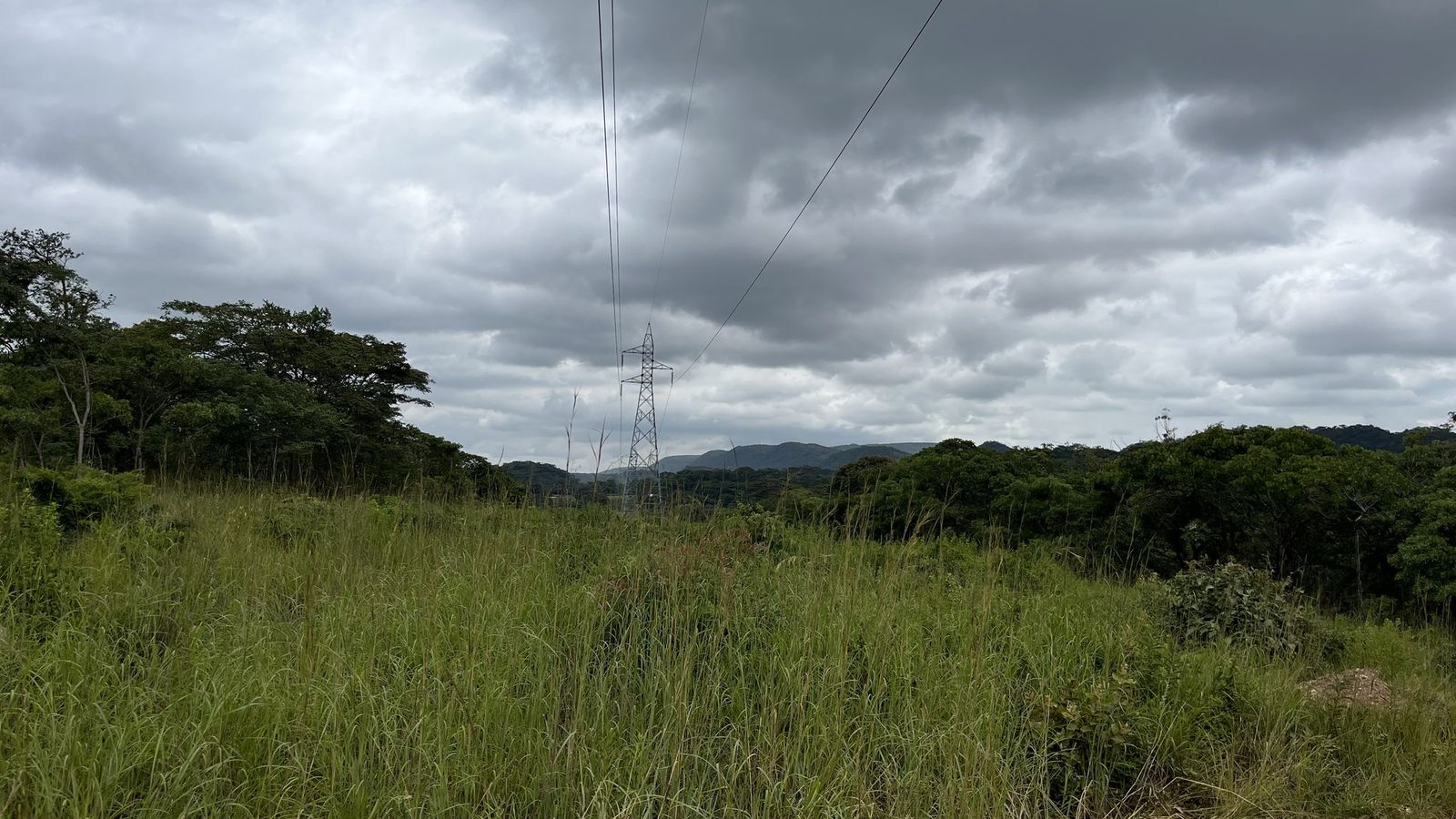
MISA Group’s Modaso Energy is developing the Guruve-Mazowe hybrid wind, solar and battery project in Zimbabwe with local partner Tatanga Energy.
Is renewable energy in Africa bankable on its own merits?
Increasingly, yes. In 2024, 91% of newly commissioned utility-scale renewable capacity worldwide produced power more cheaply than the cheapest new fossil fuel alternative (IRENA). Lenders have noticed. Announced international project finance deals for renewable energy in Africa were worth USD 75.8 billion in 2025, against USD 12.2 billion for oil and gas (UNCTAD).
In many cases renewables are cheaper, more reliable and offer attractive returns, while also being better for the planet. All else being equal, they should be prioritised. They do not need an ESG target to justify them.
Our Guruve-Mazowe Hybrid Energy Project in Zimbabwe shows what that looks like. Our renewable energy development arm Modaso Energy is developing it with local Zimbabwean partner Tatanga Energy: 128MW of wind, 100MWac of solar and a 50MW/100MWh battery behind one 100MW grid connection, an estimated USD 300-million of investment, and financial close targeted for mid-2027 (Energy Global). It’s a renewable project because, at that site, a hybrid plant is the best way to deliver firm power the offtakers can pay for and lenders will finance.
Should oil companies be forced to invest in renewables?
No. Forcing oil and gas companies into green projects to hit ESG targets distorts the rational assessment of each project. It replaces the two tests with a value judgement about green versus black.
Africa needs well-run, well-capitalised oil companies investing in the energy future, including the storage and supply chains that make it resilient. It also needs well-run, well-capitalised renewable businesses that will provide long-term energy security. Both are opportunities to deploy capital, earn returns for shareholders, and deliver value for customers.
The harder judgement is pace: how long to keep investing in fuel supply while renewables scale. We make that call market by market.
Where does MISA Group fit?
This is why we are invested in and building a variety of companies for our different verticals. Mocoh trades and supplies essential fuels across Africa. MISA FZC, based in Dubai, trades base oils globally. MISA Energy distributes fuels, lubricants and commercial energy solutions in Ghana. Bioscape aggregates waste-based feedstocks for renewable fuels in Nigeria, and Modaso develops hybrid solar, wind and battery projects at scale.
Each business answers to the same principle: value for its customers, and value for its shareholders and financiers. MISA has invested in African energy since 1998, and our hubs include Abu Dhabi. For Gulf investors, that means a partner with a base in the region and businesses on the ground across Africa. Read more about our approach and our portfolio.
Phasing out oil and gas is not a realistic plan for African energy. Backing whichever project works for the customer and for the people who pay to build it is.
Related reading
"Like the rest of the world, Africa needs well-run, well-capitalised oil companies investing in the energy future, including the storage and supply chains that make it resilient. It also needs well-run, well-capitalised renewable businesses that will provide long-term energy security. Both are opportunities to deploy capital, earn returns for shareholders, and deliver value for customers."
Guy Hacking
MISA Group CEO
Frequently asked questions about investment in African energy
Are renewables cheaper than fossil fuels in Africa?
Often, before financing. IRENA found that in 2024, 91% of new utility-scale renewable capacity worldwide produced power more cheaply than the cheapest new fossil fuel option. In Africa, financing decides the outcome: IRENA assumed a 12% cost of capital for African onshore wind against 3.8% in Europe. Contracts, currency and the offtaker’s credit determine whether the cost advantage survives.
Why are Gulf investors putting money into African energy?
UN Trade and Development’s World Investment Report 2026 identifies a growing role for Gulf investors in Africa’s announced greenfield projects, often through sovereign wealth funds and state-linked entities, in energy, logistics, real estate and infrastructure. UAE examples include the USD 34-billion Infinity Power renewable project in Mauritania. Gulf investors bring long horizons and experience of both hydrocarbons and renewables.
Should oil and gas companies invest in renewable energy?
Only where a project passes two tests: value for the end customer and a return that meets its financiers’ thresholds. Pushing oil and gas companies into green projects to hit ESG targets distorts that assessment. Africa needs strong oil companies and strong renewable businesses, but they do not need to sit under one roof, and separate companies with separate cultures often run each better.
What does MISA Group invest in?
MISA Group is a family-owned, Africa-focused energy investment group that has worked in African energy since 1998. Its businesses include Mocoh (fuel trading and supply across Africa), MISA FZC (global base oils trading), MISA Energy (fuels and lubricants in Ghana), Bioscape (waste-based feedstocks for renewable fuels in Nigeria) and Modaso (hybrid solar, wind and battery projects).
Guy Hacking is CEO of MISA Group. Guy began his career in private equity and investment banking, acquiring and operating infrastructure assets. He joined Mocoh to support its asset investments before becoming CFO and then CEO. Today he leads MISA Group’s strategy and capital allocation, building institutional-grade businesses that pair commercial returns with lasting impact across Africa’s energy landscape.
Posted in Articles